Food safety helps protect your health and your grocery budget. Learn simple food handling tips that can help SNAP households reduce waste and save money.
By
NOTICE: MEDICAID ANNUAL ELIGIBILITY REVIEWS ARE UNDERWAY | To update your information or to learn more click Here .

By
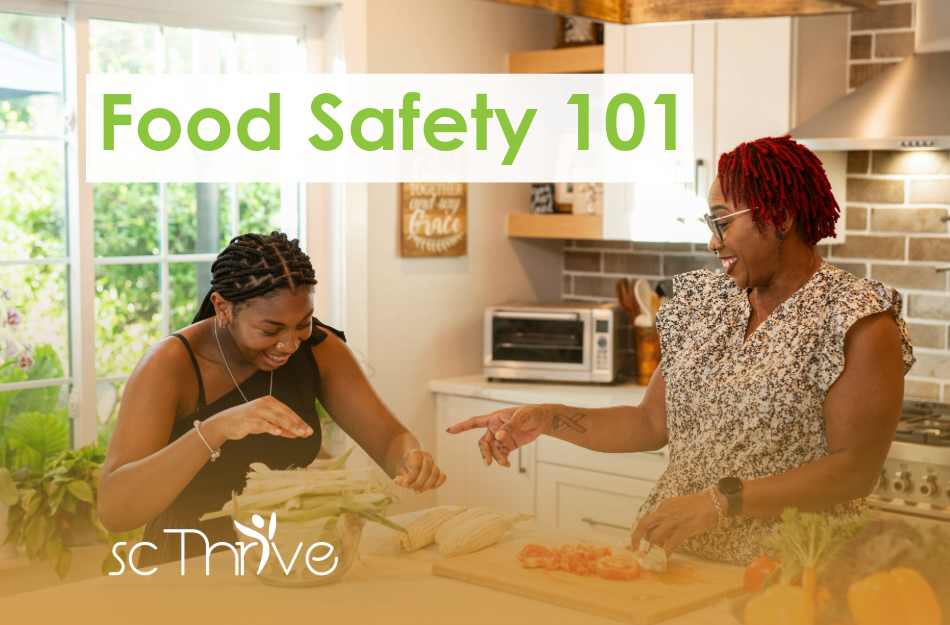
Have you ever thrown away leftovers because you were not sure if they were still safe to eat? Or ever questioned whether food past the “best by” date should go in the trash?
Food safety is not just about preventing illness, but it is also about protecting your grocery budget. For families using SNAP benefits, every dollar counts. Learning safe food handling habits helps stretch those benefits further while keeping everyone healthy.
Unsafe food handling can lead to foodborne illnesses, which may lead to missed work, medical expenses, and additional stress. It can also lead to unnecessary food waste, throwing away food that could have been safely enjoyed. When food is handled and stored properly, it lasts longer and stays safe to eat. That means fewer wasted groceries and more value from your SNAP benefits.
Small changes in daily habits can make a big difference:
Refrigerate Leftovers Within 2 Hours
Bacteria grow quickly at room temperature. Leaving food out too long, especially overnight, increases the risk of foodborne illnesses. To stay safe, refrigerate leftovers within 2 hours (or within 1 hour if the temperature is above 90°F).
Keep Your Refrigerator at 40°F or Below
Your refrigerator should stay at 40°F or below, and your freezer at 0°F. A simple refrigerator thermometer is an inexpensive way to ensure food stays at a safe temperature.
Thaw Foods Safely
Avoid thawing frozen foods on the kitchen counter. Instead, thaw foods:
Safe thawing prevents harmful bacteria from multiplying.
Wash Hands, Utensils, and Surfaces Often
Wash hands with soap and warm water for at least 20 seconds before and after handling food. Clean cutting boards, knives, and countertops frequently to prevent cross-contamination, especially when preparing raw meat, poultry, or seafood.
Many people throw food away too soon because of confusion about date labels.
“Best by” or “Best if used by” dates reflect quality, not safety. Food is often still safe to eat after those dates if it has been stored properly. Before tossing food, check for signs of spoilage such as unusual smell, mold, or texture changes.
Learning the difference between quality and safety dates can prevent unnecessary waste and help stretch your grocery dollars further.
Safe food handling protects more than just your health. It protects your investment. Every time food spoils due to improper storage or handling, that is money lost.
By participating in these practices:
You can reduce food waste, prevent illness, and make the most of your SNAP benefits.
Choose one food safety habit to focus on this week:
Small steps lead to big savings, and a healthier household.
Safe food practices protect both your health and household resources. With a few simple habits, you can keep your family safe while making every grocery dollar count.
If you have questions about SNAP or would like help accessing benefits, SC Thrive is here to help—contact us at scthrive.org or by calling us at (800) 726-8774