
SC Thrive
Empowering communities through education and simulation. Explore our diverse training opportunities designed to build capacity, empathy, and access to resources.
Mental Health First Aid
This 8-hour course teaches participants how to recognize and respond to signs of mental health and substance use challenges in adults or youth. Attendees leave with a 3-year certification and practical tools to support individuals in crisis and connect them to appropriate care.


Personal Wellness Trainings
1-hour courses on self-care, emotional intelligence, stress management, effective communication, and empathy. These trainings help participants improve mental and emotional well-being, strengthen relationships, and build resilience in both personal and professional settings.
Financial Health Trainings
Three 2-hour courses focused on budgeting, credit, and building wealth for long-term stability. Participants learn practical strategies to manage debt, improve credit, increase income, and plan for retirement and legacy building.

Schedule a Training for Yourself or Your Organization Today!
Interactive Simulations
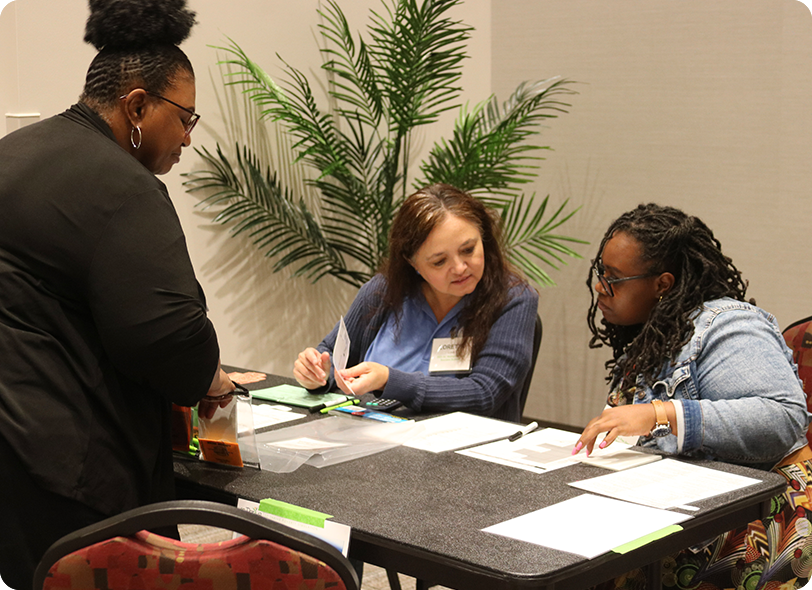
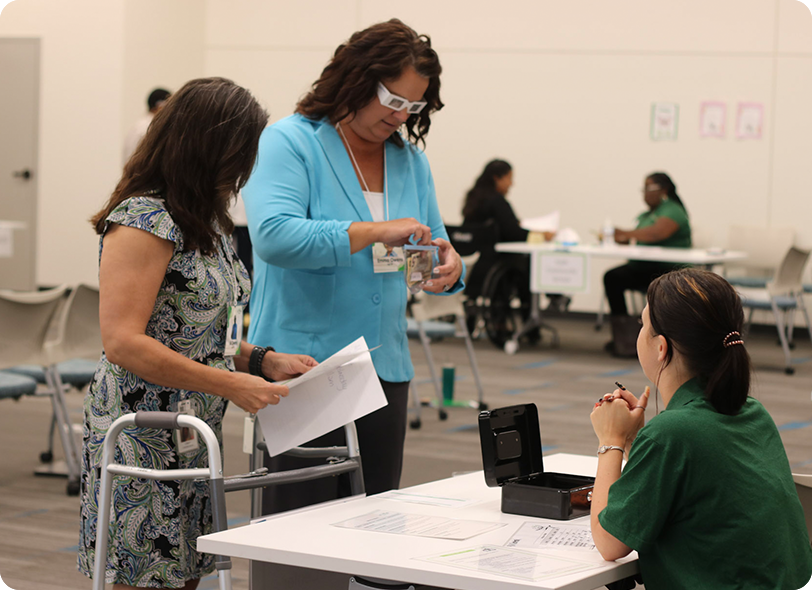
SC Thrive’s simulations are immersive, hands-on experiences designed for organizations with 60 or more participants. These trainings place attendees in realistic scenarios to build empathy, challenge assumptions, and improve service delivery. Whether you’re exploring the realities of poverty or the complexities of caregiving, each simulation fosters deeper understanding and collaboration. Our team can bring the simulation directly to your organization’s location or location of your choosing, making it easy to engage your staff or community.
Poverty Simulation
Participants navigate a simulated month of living in poverty, facing challenges like housing, employment, transportation, and access to services. This experience helps break down misconceptions, highlight systemic barriers, and encourage more compassionate, informed approaches to serving low-income families.
Caregiver Simulation
Attendees step into the role of informal caregivers or care recipients, navigating the complexities associated with conditions such as autism, cancer, Parkinson’s, and more. The simulation reveals the emotional and logistical demands of caregiving, promoting empathy and awareness among professionals who support families in crisis.